
PROJECT GROW THE GAME
Project Grow the Game is a founder-led, non-dogmatic spiritual fellowship built around the belief that the things we practice shape the people we become, and that the way we care for what has been entrusted to us ultimately shapes what we leave behind.
The project grew through real experiences, communities, relationships, work, failure, faith, spiritual inquiry, and experimentation before it ever became an organization. Golf became one of its clearest early expressions, but the deeper work has always been broader: learning how to live truthfully, take responsibility, serve others, remain teachable, build meaningful relationships, and use what we have been given in service of something beyond ourselves.
THE GAME IS NEVER JUST ABOUT THE GAME

Golf
The disciplines themselves may look very different, but anything pursued sincerely enough eventually has a way of revealing us to ourselves.
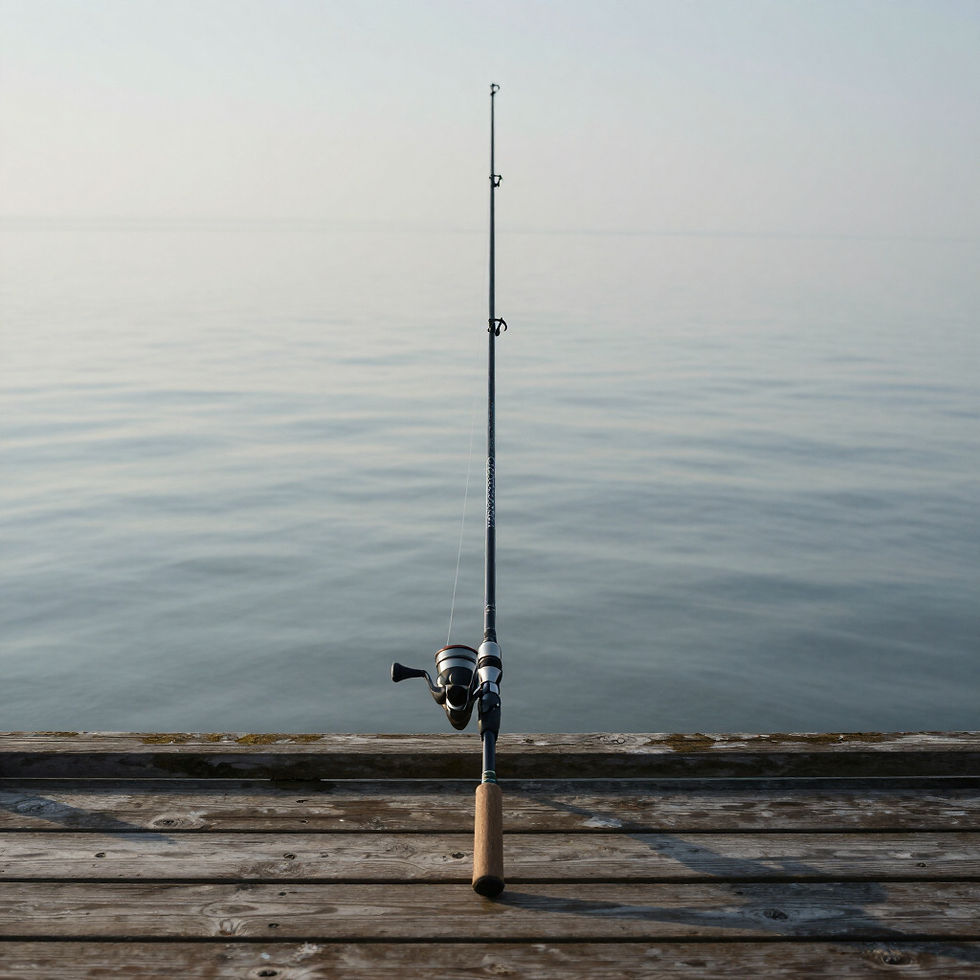
Golf can teach patience because force rarely produces the shot you want. Fishing can teach responsibility because weather, machinery, regulations, customers, and the ocean itself do not care about excuses. Business teaches quickly how valuable trust becomes once other people depend on your word. Documentary work requires listening carefully enough to understand a story before deciding what it means. Community reveals whether people are willing to contribute to something or merely consume what somebody else has built.
None of these activities are the point by themselves. What matters just as much is what happens through them.
Can we tell the truth when truth costs something? Can we become competent without becoming unteachable? Can we accept responsibility when circumstances are imperfect? Can we care for something without needing to possess it? Can we use our abilities to create opportunities for people beyond ourselves? Can we remain faithful when life stops looking the way we expected?
That is the deeper game.




WE GROW WHAT WE CARE FOR
Everything worthwhile survives because someone decides that it matters enough to care for.
A friendship survives because people keep showing up. A tradition survives because someone learns it well enough to pass it forward. A community survives because people eventually take responsibility for more than their own experience. A craft survives because generations are willing to remain students long enough to become teachers.
A golf club, fishing boat, business, institution, piece of land, relationship, opportunity, or body of knowledge can all either be consumed or stewarded depending on the posture of the people who inherit them.
Project Grow the Game begins from the belief that stewardship is one of the central responsibilities of human life.
We inherit much of what matters most before we have done anything to deserve it, and eventually nearly everything in our hands passes beyond us.
Our responsibility is not simply to possess what we have been given, but to learn how to care for it faithfully.
The question becomes less about how much we can accumulate and more about what condition things are left in because they passed through our care.

Where This Came From

Project Grow the Game began with Julian Sidon’s early experiences in commercial fishing. This work taught him the profound responsibility of stewardship, where every decision and every condition of the sea demanded a posture of accountability and faith.
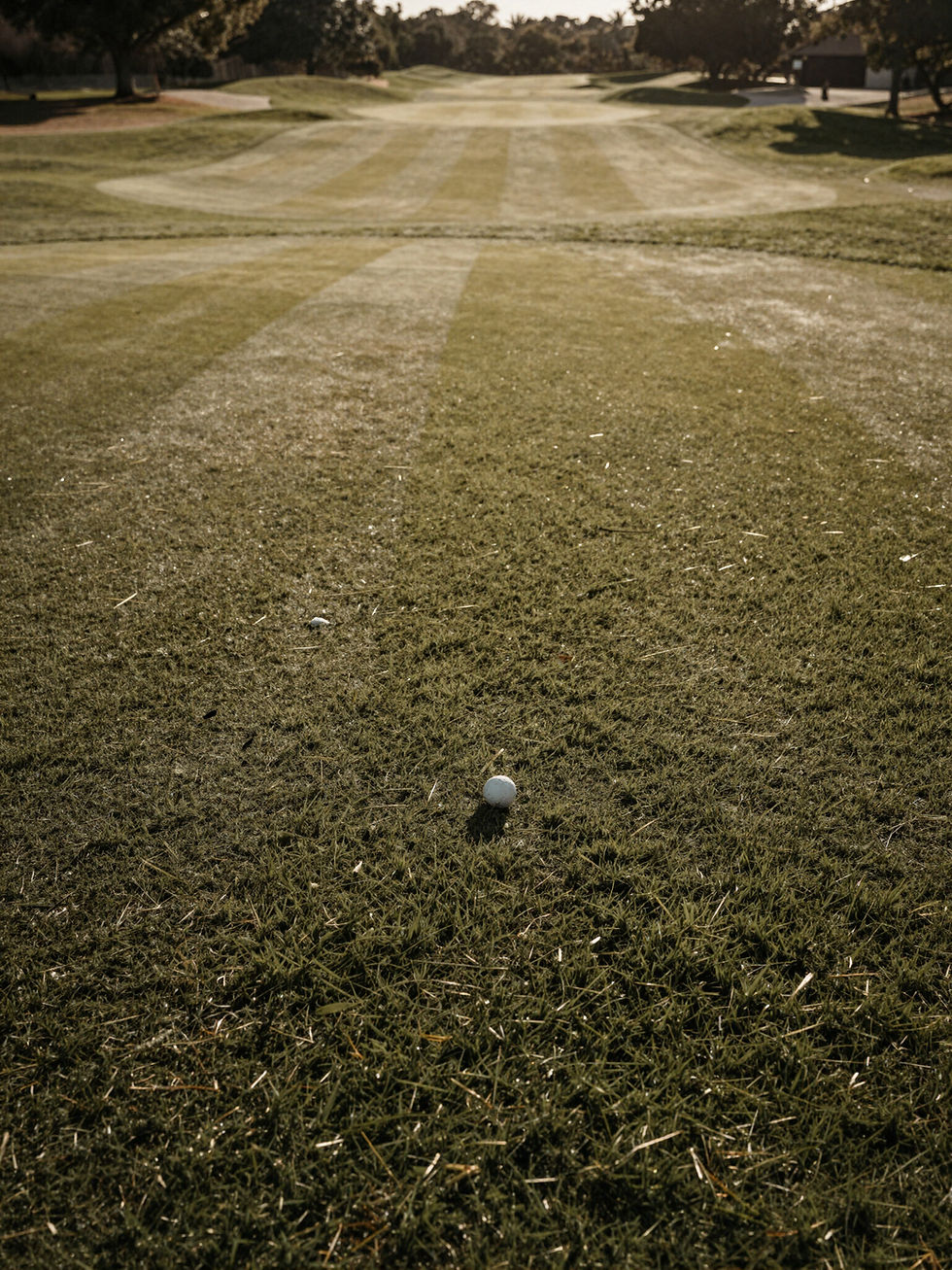
Later, while studying philosophy at UC Santa Barbara, he founded a student golf community. This experience revealed that growth is not just about numbers, but about the quiet, daily practice of responsibility and the relationships that form through shared discipline.
GROWTH THROUGH PRACTICE
Truth
Project Grow the Game does not begin from the belief that people become better simply by agreeing with better ideas. Intellectual understanding matters, but character eventually has to be practiced.
Truth becomes part of us by repeatedly choosing honesty. Discipline develops through the accumulation of ordinary decisions made when nobody is watching. Courage grows through action despite uncertainty. Stewardship develops when something beyond ourselves genuinely depends on our care. Generosity means more once giving costs us something. Faith becomes consequential when it changes how we treat people, how we carry responsibility, and what we choose to do when circumstances are difficult.
This is why the project remains interested in disciplines rather than only ideas.
The discipline may be golf, fishing, business, filmmaking, craftsmanship, study, physical training, prayer, meditation, service, mentorship, family, art, hospitality, or work we have not encountered yet.
No particular activity needs to become the whole identity of the project.
The activity provides an arena.
The deeper work is what we practice within it.
Stewardship
Recognizing that much of what matters is temporarily placed in our care. We are responsible for leaving things better where we can and intact where we must.
Discipline
What turns intention into character. It is the quiet accumulation of choices made when motivation is absent and progress feels slow.
Service
Knowledge becomes more valuable when it can be passed forward. Growth is real when we contribute to something beyond ourselves.
Community
People flourish when they know they matter. A healthy community asks for participation, contribution, and responsibility.
ROOTED IN GOD
Rooted in Faith
Project Grow the Game is rooted in the belief that human life participates in something greater than individual appetite, status, or material accumulation.
Julian’s own path has moved through Christianity, Hindu and Vedic thought, comparative religion, mysticism, Buddhism, philosophy, and years of inquiry into the relationship between God, consciousness, discipline, service, and human responsibility. He grew up around Amma and Indian spirituality, later studied philosophy and religion academically, was baptized, and today identifies as Christian while remaining deeply respectful of the traditions and teachers that helped form his understanding of God.
The project does not ask everyone who participates to use identical theological language.
It does ask for sincerity.
We believe truth matters.
We believe discernment matters.
We believe spiritual understanding should eventually become visible in the way we live.
If an idea about God makes us less truthful, less loving, less humble, less responsible, or less capable of serving others, then something important has probably been lost between belief and practice.
Project Grow the Game therefore remains open in inquiry without treating truth as meaningless.
Julian believes this project is one manifestation of the Lord’s will in his own life, but that conviction should create greater humility and accountability rather than certainty that every personal instinct must therefore come from God.
The project ultimately belongs to God.
Our work is to participate as faithfully as we can.

COMMUNITY BEFORE SCALE
Project Grow the Game has no interest in manufacturing an elaborate catalog of programs simply so the organization appears larger than it is.
We would rather build slowly around real people and worthwhile opportunities.
Community becomes meaningful when people are known, contribution matters, responsibility is shared, knowledge moves between generations, and relationships are substantial enough to exist beyond a logo, event, or social media page.
Sometimes the work may happen through golf.
Sometimes through mentorship, storytelling, service, hospitality, entrepreneurship, creative work, travel, spiritual inquiry, or simply placing the right people in conversation with one another.
The form can evolve without abandoning the foundation.
THE STANDARD
Project Grow the Game does not need an endless manifesto to explain how its values should look in practice.
We should communicate clearly and honor our commitments. We should tell the truth, including when doing so is uncomfortable. We should protect the trust people place in us and take responsibility when we fall short of it. We should develop our abilities deeply enough that they can become useful to other people. We should remain teachable even as experience accumulates, respect what others have built before attempting to change it, and leave the people, places, communities, and opportunities placed in our care stronger wherever possible.
No mission statement can substitute for becoming people capable of living it.
Speak the truth.
Keep your word.
Communicate clearly.
Remain teachable.
Take responsibility.
Develop your abilities.
Help others.
Protect the trust.
Care for what is entrusted.
Leave things better.
Follow the Project
Project Grow the Game is still unfolding. From time to time, we share reflections, stories, gatherings, opportunities, and updates from the work as it develops.
Email Address
No content treadmill. If there is nothing worth saying, we would rather not send an email.
The Philosophy of Stewardship
Project Grow the Game is a founder-led, non-dogmatic spiritual fellowship rooted in God, truth, stewardship, service, community, disciplined practice, and the belief that the way we care for what has been entrusted to us shapes what we leave behind.
